
IT disposal for the public sector
Secure collection, certified data destruction, and a separate audit trail for every site.
The brief
What public sector disposal has to cover
IT asset disposal, often shortened to ITAD, means collecting equipment you no longer need, destroying the data on it and dealing with the hardware responsibly. For a public body, four things matter every time.
Data security
Every drive is sanitised before the equipment is reused, or destroyed.
Proof for each site
Your team reconciles assets against department budgets, so each site needs its own record.
Procurement compliance
You need a paper trail that stands up to review.
ESG reporting
Scope 3 figures need a number you can defend. Scope 3 covers the emissions in your supply chain and in the equipment you buy, use and dispose of.
The process
What happens to your equipment
We log every item
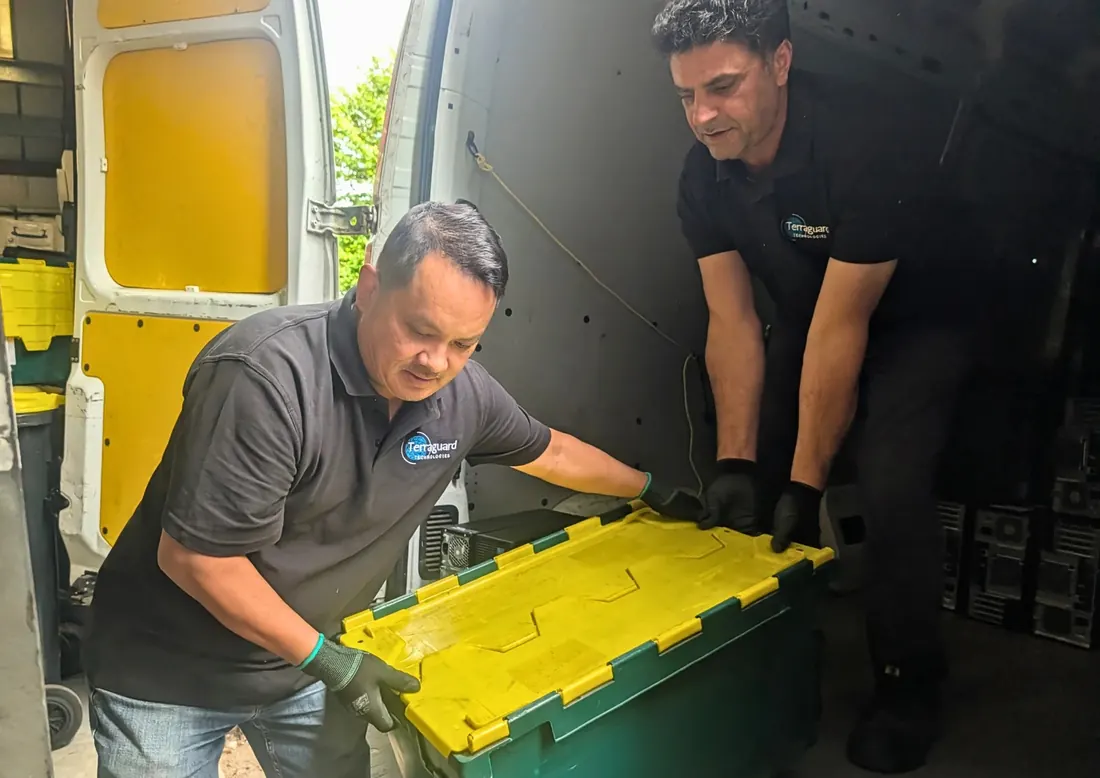
Our technicians record each asset at the point of collection, so custody is unbroken from your site to our door.
Every drive is erased and certified
Drives are erased to current NCSC guidance and verified at bit level. Anything that fails is physically destroyed. Each wiped drive gets its own certificate, and you receive one overall Data Destruction Certificate.
One audit trail per site
Two sites means two separate records, so you can reconcile each one against the right department.
One report for your ESG team
We can combine every site into a single quarterly report, with a Certificate of Carbon Reduction.
Working kit stays in use
We reuse and repurpose as much as possible, and recycle what is left.
Your Waste Transfer Note is issued on the day of collection. The rest of the paperwork follows within 28 working days. See redacted samples.
In practice
A council, two sites, one deadline
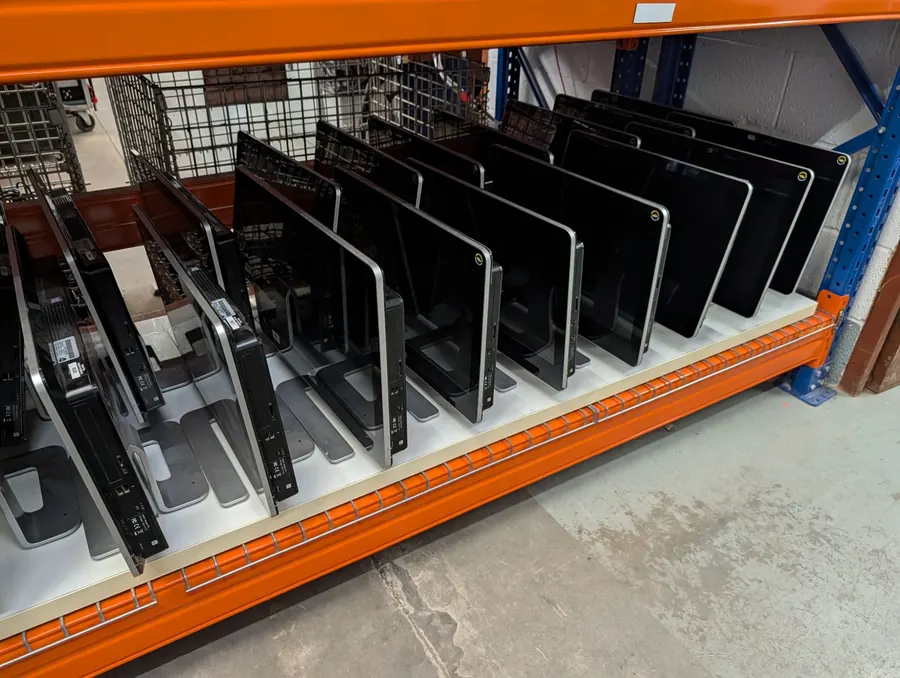
A regional council booked a routine quarterly collection of 108 devices. Part-way through, its IT team was handed a second job: clear a separate storage facility, full of uninventoried legacy equipment.
We ran both sites at once. Every item at the second site was logged as it was collected. The council received two separate audit trails and one combined quarterly report. The second site was cleared on time, and working hardware from both sites stayed in circulation.
Before you book
Questions public sector teams ask
Can you collect from several sites on one job?
What if we need drives destroyed rather than wiped?
What do we get for our records?
Can we use your report for Scope 3 reporting?
Which certifications do you hold?
Tell us what you have and where it is
No obligation. If we are not the right fit we will say so.